Loggerhead sea turtles (Caretta caretta) are the most abundant species of turtle that inhabit the Adriatic sea around Croatia. Named after their large heads, loggerhead turtles are the biggest hard-shelled marine reptiles in the world, reaching up to 200 kg. Their mottled reddish-brown carapace allows them to camouflage with the seafloor when viewed from above by predators, while their pale-yellow underside makes them undetectable to their prey, which reside on the seabed. Mollusks and crustaceans form the vast majority of their diet, and their powerful jaws make it easy for them to crush the tough invertebrate shells. Loggerheads have a long lifespan of around 80 to 100 years, but their slow growth rate and reasonably late sexual maturity makes them an extremely susceptible species for population decline, with the majority of turtles never being able to reproduce in their lifetime.
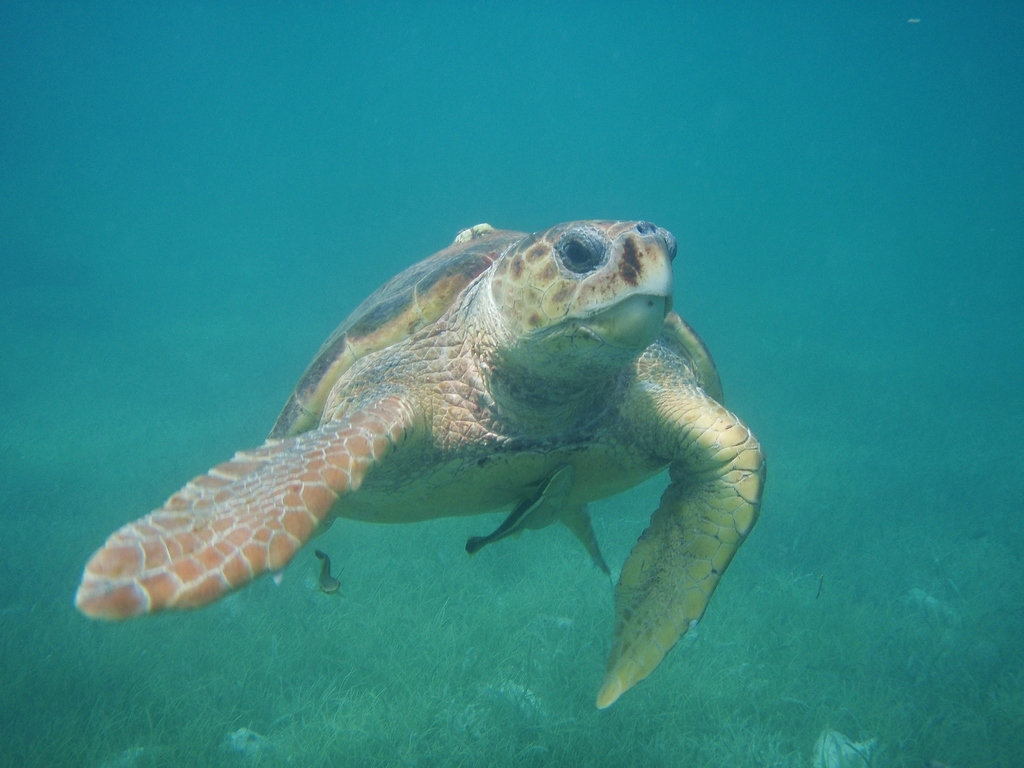
Among the 27,000 loggerhead sea turtles currently in the Adriatic, the large majority decide to live in the northern region. The shallow, warm waters are rich in bottom-dwelling invertebrates, serving as the ideal habitat for juvenile loggerheads to forage and mature before migrating towards Greece, Cyprus, Turkey and Israel to breed and nest. All female sea turtles exhibit a phenomenon called natal homing, in which they return to the beach they hatched to make their own nests. After laying between 100 and 125 eggs, they return to the north Adriatic to recover before their next breeding season, which occurs approximately 2 years later. Tragically, loggerhead turtles are listed as a vulnerable species by the International Union for Conservation of Nature (IUCN), with human activity being the main threat to their survival.
Although the North Adriatic hosts the largest population of loggerheads in the entire Mediterranean, it is also one of the most popular destinations for industrial fishing. This conflict leads to strikingly high rates of sea turtle bycatch, which is the entrapment of non-target species during fishing. In this area, bottom trawling is the most dangerous method of commercial fishing. It involves dragging a large net along the seafloor, which destroys and captures everything in its path. This can include sea turtles, stingrays, sharks, dolphins and large areas of marine vegetation. A study conducted in 2022 in the Gulf of Manfredonia (Italy) estimated that more than 5,600 loggerheads are caught each year in these types of fishing nets., the majority of which are of high reproductive value. As air breathers, sea turtles have high rates of mortality in trawling nets as they are unable to swim to the surface and eventually drown. Bottom trawling leaves behind a trail of deceased and injured marine life, which attracts more loggerheads to areas frequently visited by fishing boats and increases their chances of being entangled in the future.
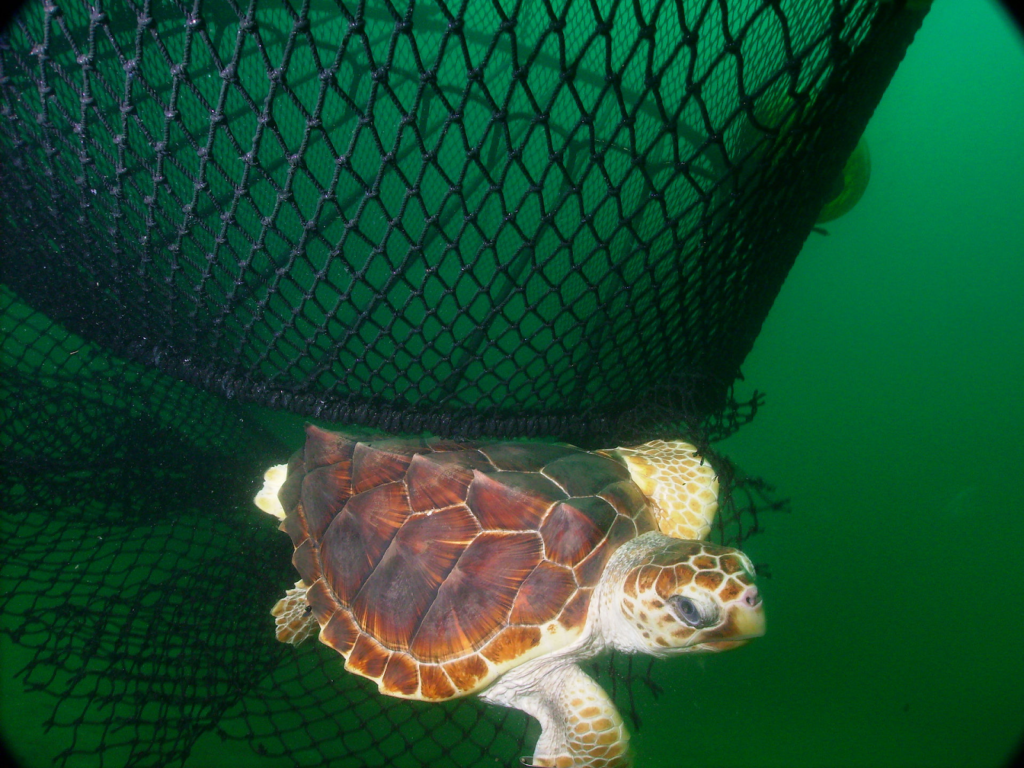
The longline fishing technique is also used in the Adriatic sea, and while it is not as extensively damaging as bottom trawling, it can be equally as harmful to loggerhead sea turtles. This fishing strategy utilizes long fishing lines that can hold up to thousands of baited hooks each. While fish such as tuna and swordfish are usually the target species, sea turtles and other endangered species are also wounded and killed in the process. This highlights a dangerous and utterly futile cycle where marine wildlife is being decimated just to keep up with the ever-growing demand for cheap and accessible seafood.
As people flock from around the world to spend their summers on the beautiful beaches of Croatia, they unknowingly contribute to the decline in biodiversity in the Adriatic sea.
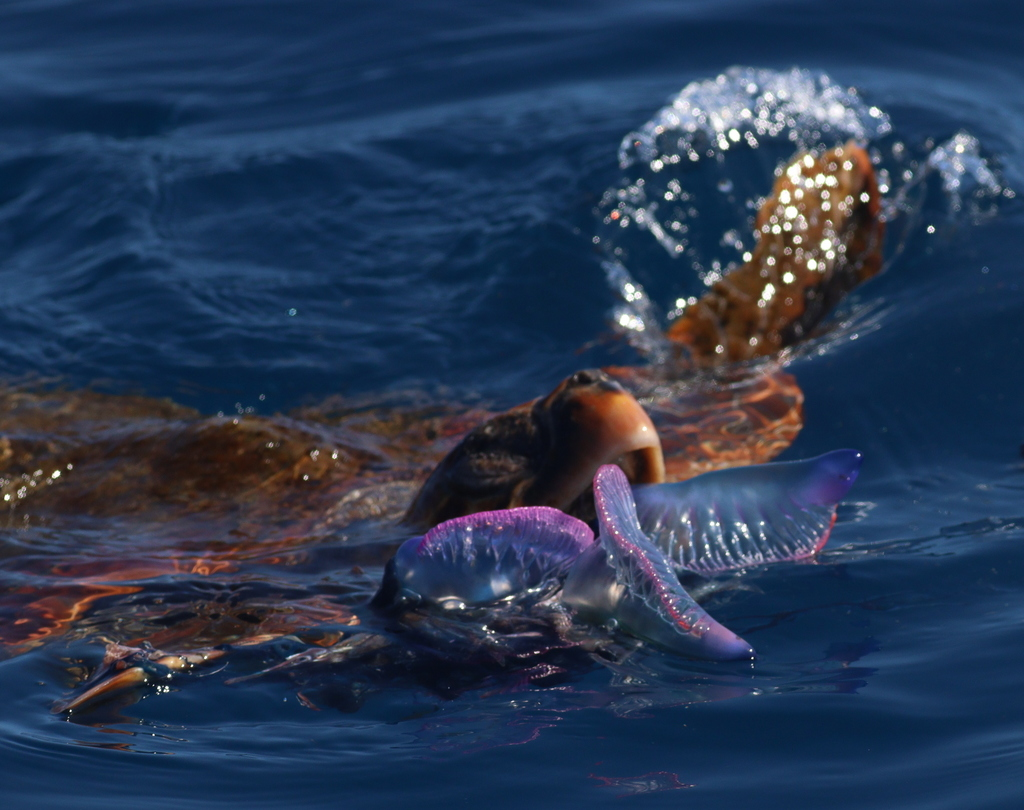
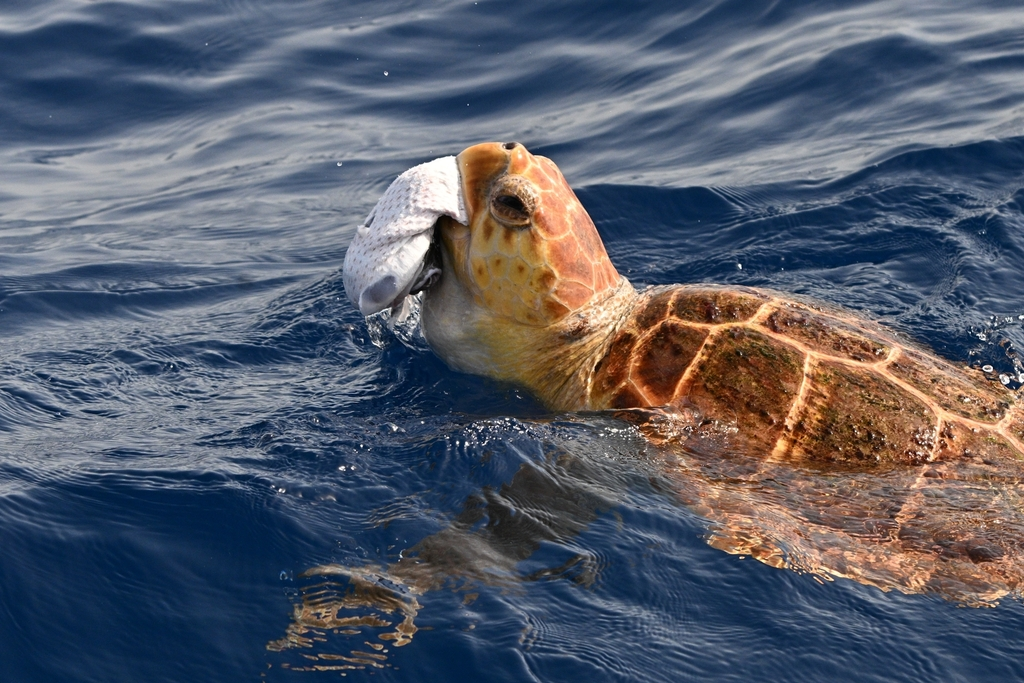
The recent surge in tourism brings a dramatic increase in plastic waste, recreational boat use and demand for seafood, which collectively accelerates the decline in marine biodiversity in the Adriatic. It has been estimated that plastic makes up for over 96% of all waste collected from the seabed of the north Adriatic sea. Loggerhead turtles who are exploring this area for food often mistake floating plastic bags for jellyfish. What they hoped would be a delicious meal ends up causing obstructions in their digestive systems and prevents them from being able to eat. A large proportion of these turtles have also been indirectly contaminated with microplastics. These tiny fragments of plastic waste are passed up the food chain when turtles consume benthic invertebrates like crabs and shrimp who have previously come into contact with them in the sediment. The toxic products they contain can even appear in the turtle’s eggs and remarkably reduce the success of their future hatchlings.
Although loggerheads only spend around 10% of their lives on the surface of the water, injuries due to boat collisions are sadly very common in the Adriatic, especially during the busy summer months. Contact with the boat’s hull or propellers can cause a myriad of problems for turtles, including carapace fractures, flipper lacerations and amputations, with many victims not surviving their injuries. Some turtles who are struck by vessels go on to develop buoyancy syndrome, a condition where gas builds up in the turtle’s body cavities. Much like an inflated balloon, affected turtles are completely unable to submerge themselves, and consequently cannot reach the seafloor to find food and rest.
So, what can we do? With loggerhead populations continuing to decline, it is imperative that we act. While legislation, stricter fishing regulations, and organisations like Aquarium Pula are making strides to reduce loggerhead casualties, public awareness remains one of the most powerful tools in eradicating the threats they face. Sharing knowledge between scientific experts, tourists and Croatian locals may be the only way to save this species and ensure they can continue to occupy the Adriatic Sea.
Written by Bonnie Byrom
Hey, my name is Bonnie. I am a third year vet student in Zagreb, but I’m originally from Cambridge, England. I have always had a particular interest in exotic and wildlife conservation, especially sea turtles. Getting involved with Hyla has given me the opportunity to delve deeper into these topics and I look forward to sharing more in the future.
References
- Blue World Institute of Marine Research and Conservation. Sea Turtles of the Adriatic https://www.blue-world.org/bw/wp-content/uploads/2017/05/Sea_Turtles_Adriatic_EN_20 07.pdf
- Nava Boats. Loggerhead turtle and other sea turtles in Croatia — Nava Boats blog https://navaboats.com/blog/inspiration/loggerhead-turtle-and-other-sea-turtles-in-croatia1935
- Draženović M, Komnenić S, Ćurković S, et al. (2024). Spatiotemporal Analysis of Stranded Loggerhead Sea Turtles on the Croatian Adriatic Coast. Animals, 14(5), 703 https://www.mdpi.com/2076-2615/14/5/703
- MEDPAN. Voluntary fishing logbooks are essential for unveiling unsustainable bycatch levels and appropriate mitigating measures https://medpan.org/en/resource-center/voluntary-fishing-logbooks-are-essential-unveiling-unsustainable-bycatch-levels-and
- SPA/RAC. Conservation of Mediterranean Marine and Coastal Biodiversity by 2030 and Beyond — seabed litter monitoring and waste composition https://spa-rac.org/wp-content/uploads/conservation-of-mediterranean-marine-and-coast al-biodiversity-by-2030-and-beyond-3.pdf
- Micheli F, et al. (2025). Turtle bycatch from trawlers: what modelling is telling us in the southern Adriatic Sea. Estuarine, Coastal and Shelf Science https://www.sciencedirect.com/science/article/pii/S0272771425001714
- Iverson AR, Fujisaki I, Lamont MM & Hart KM (2019). Loggerhead sea turtle (Caretta caretta) diving changes with productivity, behavioral mode, and sea surface temperature https://www.ncbi.nlm.nih.gov/pmc/articles/PMC6685635/
- Aquarium Pula. Sea Turtle Rescue Centre (Centar za oporavak morskih kornjača) https://aquarium.hr/en/centar-za-oporavak-morskih-kornjaca (aquarium.hr)