Any intervention in a habitat can have different effects on wildlife—positive, negative, or neutral. Due to the complex structure of natural systems, it is almost impossible to achieve an equally beneficial effect for all organisms through a single activity. Even seemingly homogeneous habitats—such as wetlands, grasslands, forests, or underground systems—consist of a series of microhabitats that support different species with varying ecological requirements. What benefits one group of organisms will often have a limited or opposite effect on another. This is precisely why a science-based and expert approach forms the foundation of every responsible action in nature.
Science-Based and Expert Approach
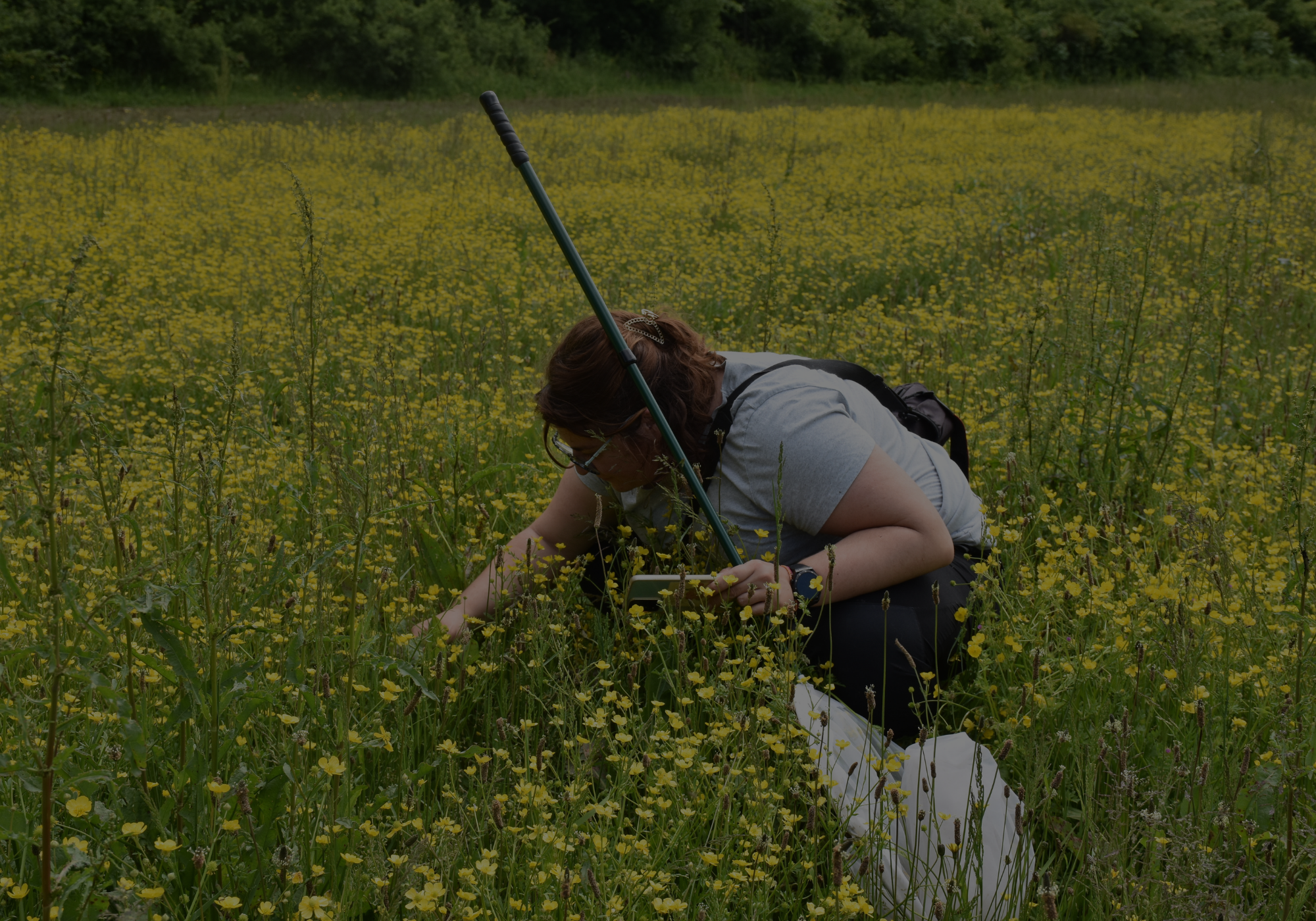
Through its research, the Association Hyla actively contributes to expanding knowledge on herpetofauna (amphibians and reptiles) and entomofauna (insects), with a particular emphasis on under-researched areas and species. In addition to field research, an important part of our work includes a critical review of available literature, analysis of existing data, and collaboration with relevant institutions and experts in the nature conservation sector. This integrated approach enables better planning of future conservation activities and contributes to the long-term, effective protection of species and their habitats.
Core Research Areas
- Inventorying and mapping: Field research on species distribution and compilation of comprehensive checklists of the species we work with in the specific areas
- Population research: Detailed analyses of population abundance, density, and structure (e.g. Capture-Mark-Recapture methods) to determine species trends and stability at a given locality.
- Ecological research: Analysis of habitat condition and quality and the study of specific ecological requirements of species, which is crucial for planning conservation measures.
- Genetic research: Use of molecular methods to determine genetic diversity and population connectivity.
- Scientific and professional data publication: Collected data are integrated into national biodiversity databases and serve as the basis for publishing scientific articles, professional papers, and nature management recommendations. In this way, we ensure that new findings are publicly available and applicable to habitat protection and restoration.