Nevertheless, the majority of invasive animal species are invertebrates. The media frequently report on the presence of new invasive lace bugs, such as the oak lace bug and the sycamore lace bug (Corythucha arcuata, Corythucha ciliata), which congregate in large numbers on and beneath the bark of oaks and plane trees, often dropping onto people during walks. Along the coast, the red palm weevil (Rhynchophorus ferrugineus) is widespread and responsible for the withering and dieback of palm trees. Many invasive species of longhorn beetles are particularly destructive because they develop inside living trees. Numerous other alien and invasive beetle species have been introduced into the Croatian fauna, including ladybirds (Rhyzobius lophanthae, Rodolia cardinalis, Harmonia axyridis), longhorn beetles (Neoclytus acuminatus, Anoplophora chinensis, Anoplophora glabripennis), bark and ambrosia beetles (Dactylotrypes longicollis, Xylosandrus germanus), and weevils (Rhynchophorus ferrugineus).
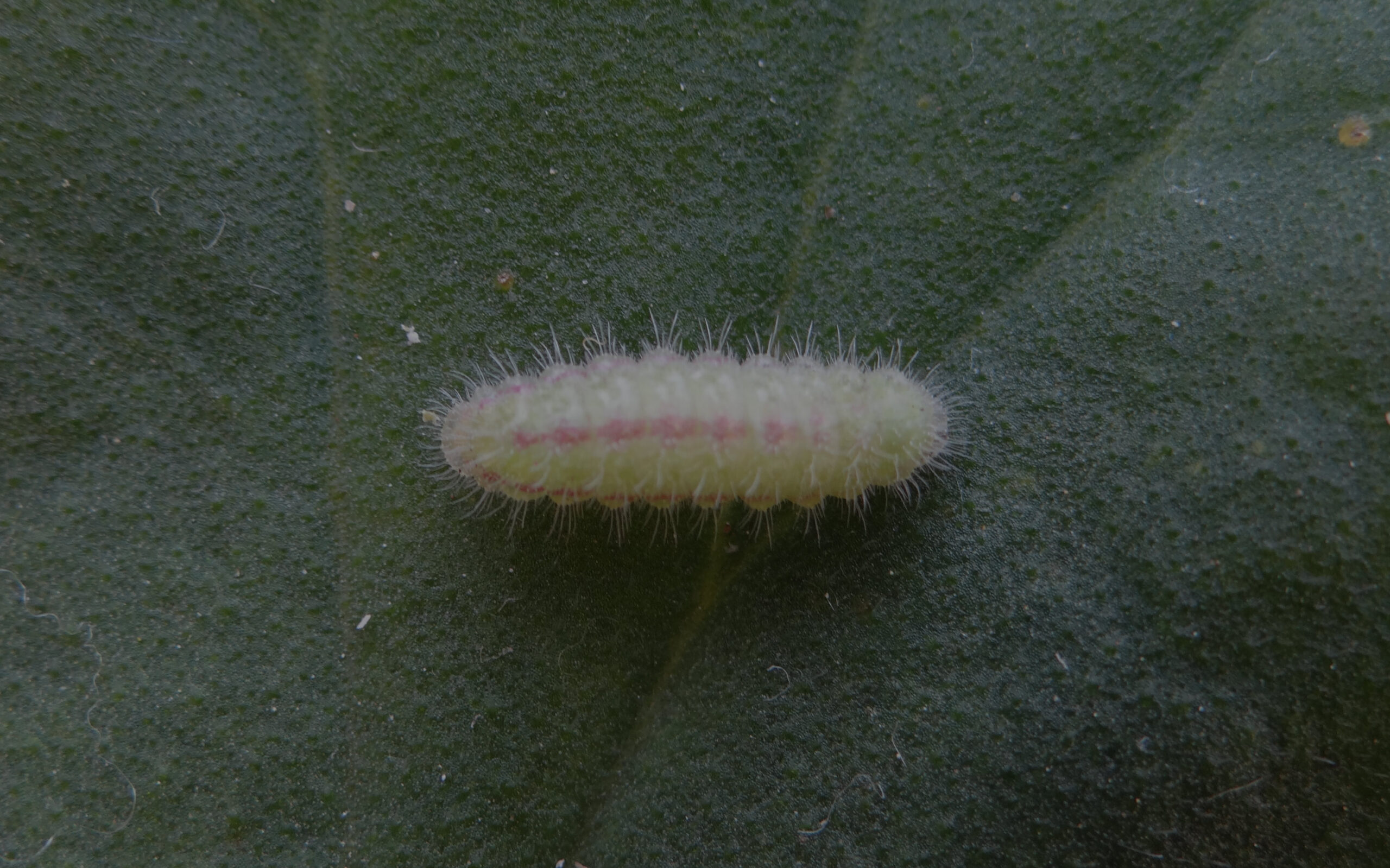
Invasive species can even be found among butterflies and moths. Among butterflies, there is only one such species—the geranium bronze (Cacyreus marshalli). In the world of moths, however, alien and invasive species are far more numerous. Most of them are tiny, almost inconspicuous species belonging to the group Microlepidoptera. Some of the best-known alien species are also pests of cultivated plants, such as the box tree moth (Cydalima perspectalis), the locust digitate leafminer (Parectopa robiniella), and the horse-chestnut leafminer (Cameraria ohridella).
Although invasive alien invertebrates are more numerous, many invasive species are also found among vertebrates, such as the small Indian mongoose, the eastern mosquitofish, and the goldfish. Within the reptile fauna, a prominent invasive alien species is the pond slider (Trachemys scripta), represented by two subspecies: the yellow-bellied slider (Trachemys scripta scripta) and the red-eared slider (Trachemys scripta elegans). In addition to invasive species, several other alien turtle species have been recorded in Croatia after being irresponsibly released into the wild from aquaria.
1. Collecting napkins, fridge magnets, sugar packets, or other souvenirs often tops people's lists of hobbies. During your holidays, however, make sure collecting animals does not become one of them. Moving species from one location to another has a severely negative impact on habitats and native wildlife.
2. If you decide to buy a turtle or another species of reptile or amphibian, bear in mind that this usually entails a long-term commitment and responsibility. Are you truly prepared to care for a new housemate for several decades?
3. Do not release pets into the wild! Life there is not necessarily “better and happier” for them. They are very likely to perish or, through their presence, threaten native species and habitats.