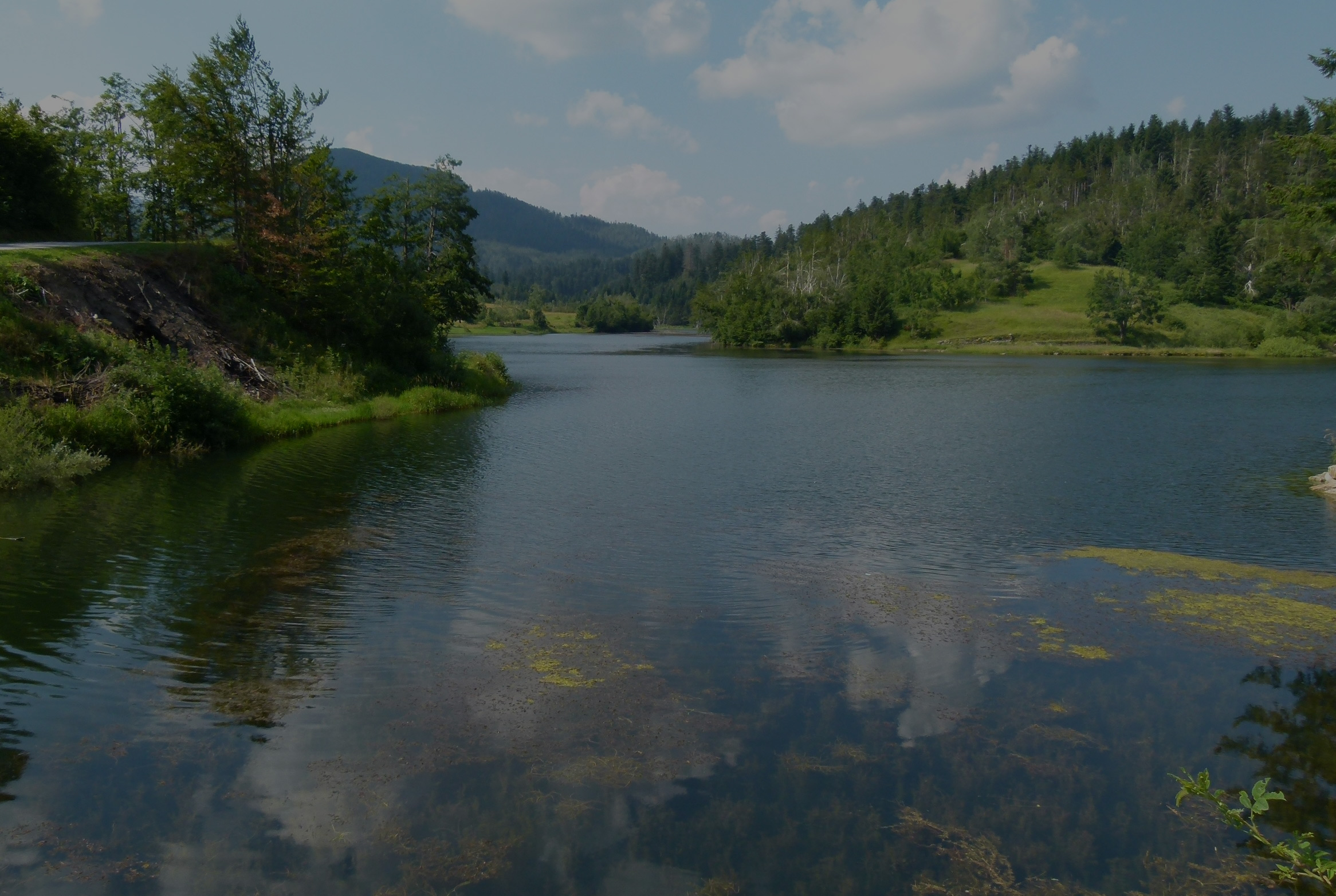
Wetland habitats rank among the world’s most productive ecosystems and encompass a wide range of habitat types—from coastal marshes, estuaries, lakes, and floodplain forests to ponds, streams, rivers, and human-made wetlands such as salt pans and gravel pits. They are irreplaceable for biodiversity conservation as they provide habitat for numerous plant and animal species, while also playing a vital role in safeguarding water resources, mitigating the impacts of climate change, and maintaining ecosystem resilience. Despite their importance, wetlands are now among the most threatened ecosystems globally. They are disappearing or becoming degraded due to land-use change, drainage, pollution, the abandonment of traditional management practices, and other human activities.
In Croatia, island and coastal wetland habitats are particularly threatened. For centuries, karst ponds and other small freshwater bodies in karst areas were vital for the survival of local communities, livestock, and wildlife. However, due to changing lifestyles and the abandonment of traditional agriculture, many have lost their former purpose and are gradually becoming overgrown, drying out, or being infilled and destroyed. Growing recognition of the importance of these ecosystems has spurred increasingly strong international and European efforts towards their conservation and restoration. Through various legislative and strategic frameworks—most notably the Nature Restoration Law—the European Union encourages and obligates Member States to take concrete measures to restore degraded ecosystems, including freshwater and other wetland habitats.
Association Hyla actively participates in the conservation and restoration of wetland habitats. Through numerous projects, we have gained experience across all stages of restoration—from research and habitat condition assessments, drafting technical guidelines, and planning restoration measures to their practical implementation in the field. In doing so, we collaborate with a wide range of stakeholders, starting with the needs and involvement of local communities, working alongside experts and civil engineers, and coordinating external contractors. Depending on the scope of the intervention, we also involve and coordinate volunteers in restoration activities.